A Brief History of Kinmel Hall
The History of Kinmel Hall – A Grade I Listed Victorian Masterpiece in North Wales
Kinmel Hall history reflects its status as one of the most architecturally significant historic country houses in North Wales. Located near Abergele in Conwy County, this extraordinary estate is recognised as a Grade I listed building, placing it among the most important historic structures in Wales and the United Kingdom.
Built during the height of the Victorian era, Kinmel Hall stands as a symbol of ambition, craftsmanship and aristocratic vision, forming a central part of the wider history of Kinmel Hall and its enduring legacy.
The Vision of Hugh Roberts Hughes
An important chapter in Kinmel Hall history begins with Hugh Roberts Hughes, a prominent Welsh landowner and Member of Parliament whose family had owned the Kinmel estate since the 18th century.
In the 1870s, Hughes set out to construct one of the finest country houses in Britain. His ambition was to create a residence that reflected both the wealth of the Victorian period and the long-standing prominence of his family within North Wales.
The result was a vast and opulent mansion that would later become known as “The Welsh Versailles,” a defining moment in the history of Kinmel Hall.
Designed by Architect W. E. Nesfield
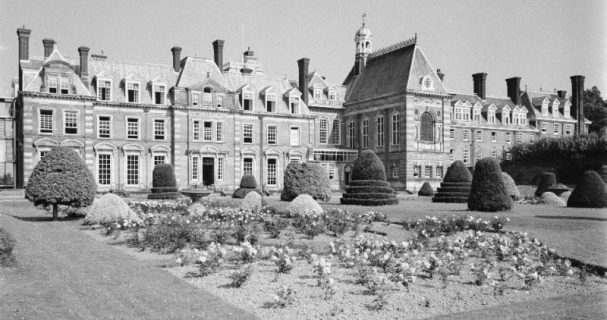
Another defining element of Kinmel Hall history is its architectural design. The hall was created by the distinguished English architect William Eden Nesfield (W. E. Nesfield), a leading figure of Victorian architecture known for his richly detailed and historically inspired work.
Kinmel Hall was built in an imposing French château style, drawing inspiration from the grand palaces of the Loire Valley. Its mansard roofs, elaborate stone carvings, towers and symmetrical façade make it one of the most striking examples of 19th-century architecture in Wales.
At the time of its completion, Kinmel Hall was reputed to be one of the most expensive private houses ever built in Britain — a testament to both the scale of the project and its importance within Kinmel Hall history.
A Grand Victorian Estate
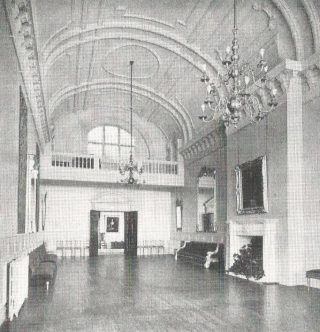
As Kinmel Hall history developed, the estate became known for its scale and grandeur. Set within expansive parkland, the hall was designed to impress from every angle, with formal landscaping, sweeping carriage drives and impressive reception rooms intended for large gatherings and high society occasions.
Inside, the hall included:
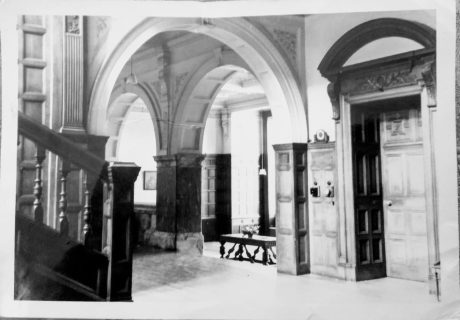
- A dramatic grand staircase
- Ornate ceilings and period fireplaces
- Intricate stone and wood detailing
- Expansive entertaining spaces
These features established Kinmel Hall as one of the most significant Victorian country houses in North Wales and remain central to the history of Kinmel Hall today.
20th Century Change and Adaptation
Like many large country houses across Britain, Kinmel Hall history includes a period of considerable change during the 20th century.
During the First World War, the hall was requisitioned for military use and served as a hospital for wounded soldiers. In later decades, the building was adapted for institutional and educational purposes, reflecting the wider transformation of aristocratic estates throughout Wales and the United Kingdom.
These changes marked new chapters in the history of Kinmel Hall, while preserving its architectural significance.
Grade I Listed Status and Cadw Recognition
A key part of Kinmel Hall history is its official recognition as a Grade I listed building, the highest level of protection awarded to structures of exceptional architectural or historic interest.
The hall is recorded on the Cadw register, recognising its national importance within the Welsh historic environment. This designation highlights its architectural significance, scale and importance as one of the most ambitious Victorian country houses constructed in Wales.
This recognition firmly establishes Kinmel Hall as one of the most important historic mansions in the United Kingdom and a vital part of Welsh heritage.
Recognition and Conservation
In more recent Kinmel Hall history, the building has been recognised for its importance through conservation efforts. During a period of decline under previous ownership, Kinmel Hall was included in a “top ten endangered buildings” list published by The Victorian Society, bringing national attention to the need for preservation.
Since coming into current private ownership, substantial work has been undertaken as part of a long-term commitment to careful restoration and conservation. Ongoing efforts aim to secure the structural integrity and historic character of this exceptional Grade I listed estate.
Today, Kinmel Hall is a privately owned historic property undergoing restoration, reflecting a renewed commitment to safeguarding an important chapter in Kinmel Hall history.
An Enduring Landmark in Welsh Architectural History
From the ambitious vision of Hugh Roberts Hughes to the architectural mastery of W. E. Nesfield, Kinmel Hall history represents a rare and powerful example of Victorian French château-style design in Britain.
Recognised by Cadw, protected as a Grade I listed building and acknowledged by leading conservation bodies, Kinmel Hall continues to stand as one of the most remarkable historic estates in North Wales.
Its story is one of grandeur, change, challenge and restoration — an enduring and evolving chapter in the architectural heritage of Wales.